Macronutrients and Steroid Hormone Synthesis
Fats and cholesterol pathways in cortisol, testosterone, and estrogen production
Explore Pathways →
Understanding how dietary composition shapes hormone synthesis and endocrine function
An overview of the hypothalamic-pituitary axes and key hormones shaped by nutritional status
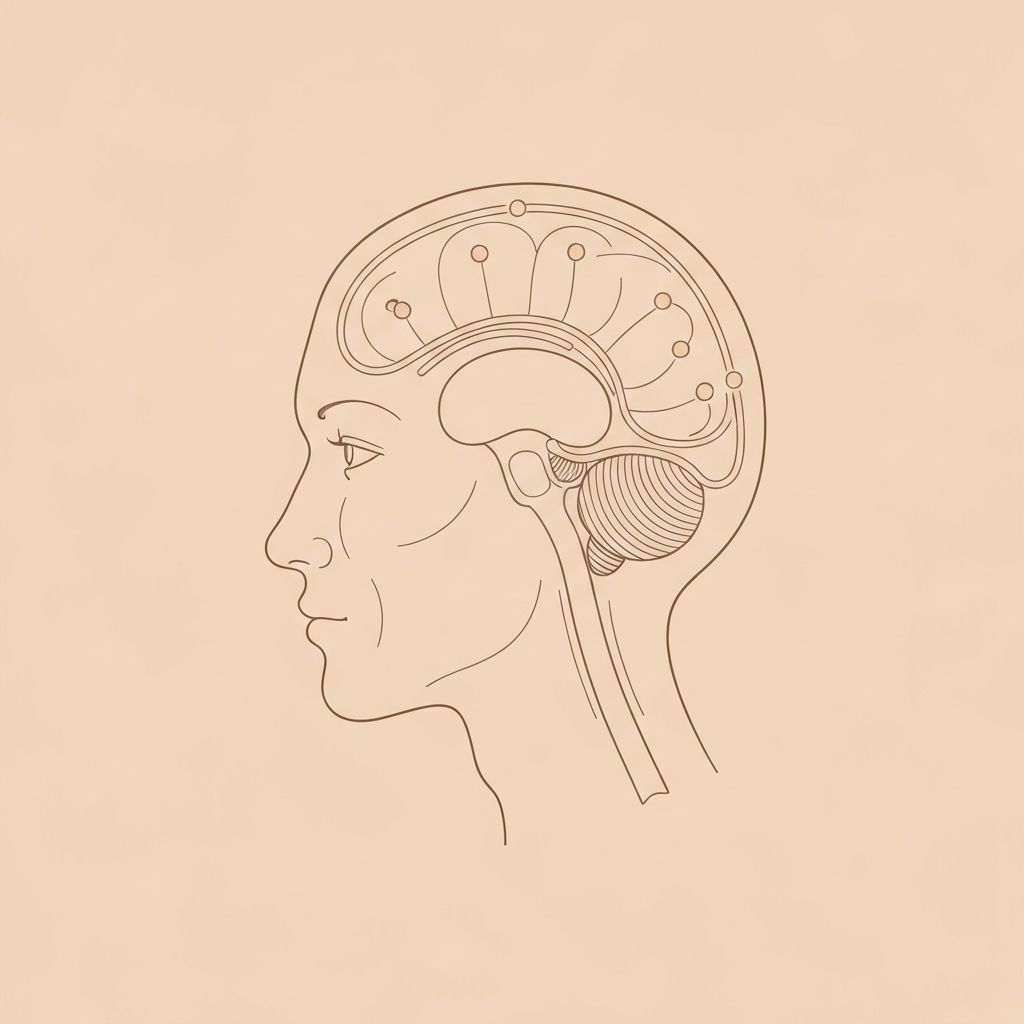
The hypothalamus and pituitary gland form the central regulatory hub of the endocrine system, coordinating the production and release of hormones including insulin, cortisol, thyroid hormones, and sex hormones. Nutritional factors influence the signaling between these glands and their target organs, affecting overall endocrine balance and metabolic function.
Research has documented how macronutrient composition, micronutrient availability, and energy status modulate the secretion patterns of key hormones within these axes.
This material is provided for educational purposes to explain the nutritional and endocrine interactions documented in peer-reviewed research. No promises of outcomes. Individual hormone regulation varies based on genetics, health status, and lifestyle factors. Consult healthcare professionals for personalized guidance.
How protein, fats, and carbohydrates support endocrine synthesis and function
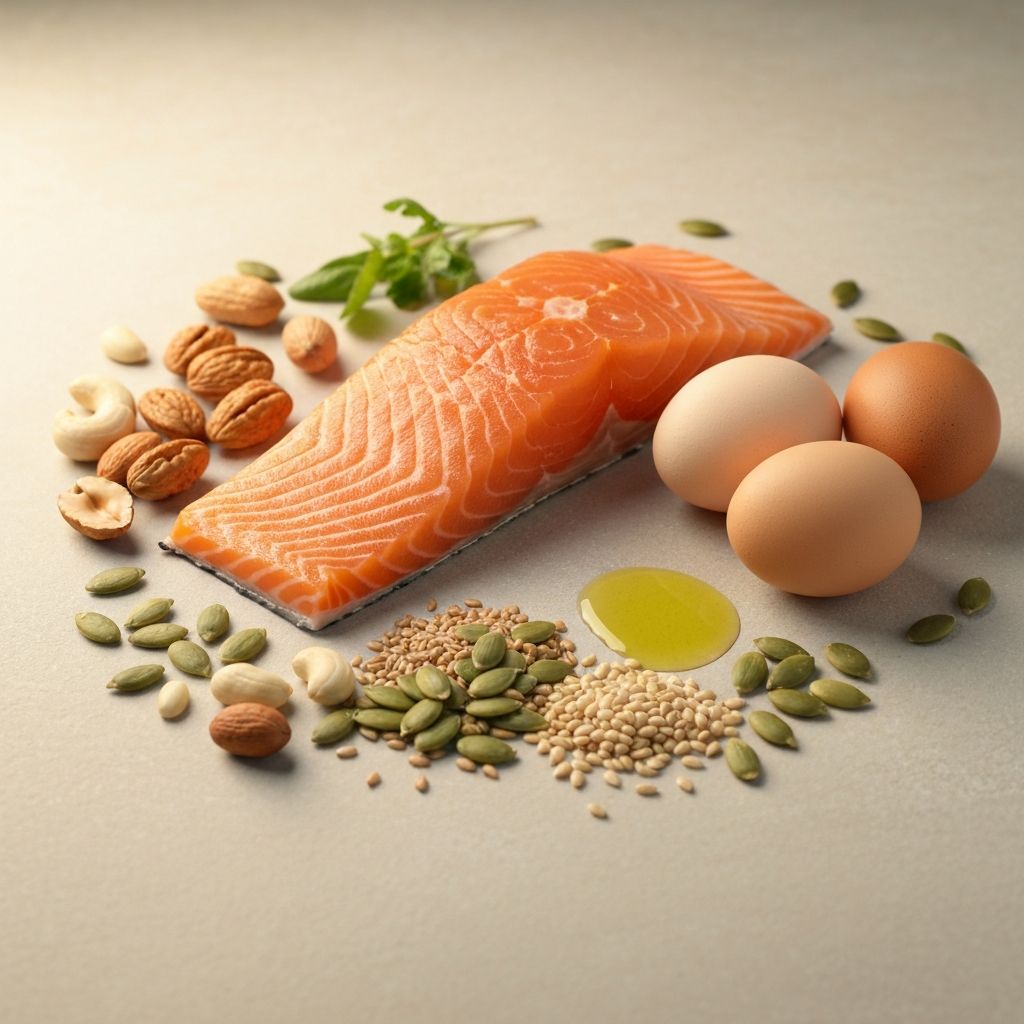
Protein provides amino acids required for the synthesis of peptide hormones such as insulin, growth hormone, and prolactin. Dietary fats and cholesterol serve as precursors for steroid hormone synthesis, including cortisol, testosterone, and estrogen. Carbohydrates influence insulin secretion and glucose signaling pathways that modulate reproductive and thyroid hormone function.
The proportional intake of these macronutrients influences not only hormone synthesis but also receptor sensitivity and metabolic clearance rates.
Zinc, selenium, iodine, magnesium, and vitamin D involvement in synthesis and conversion
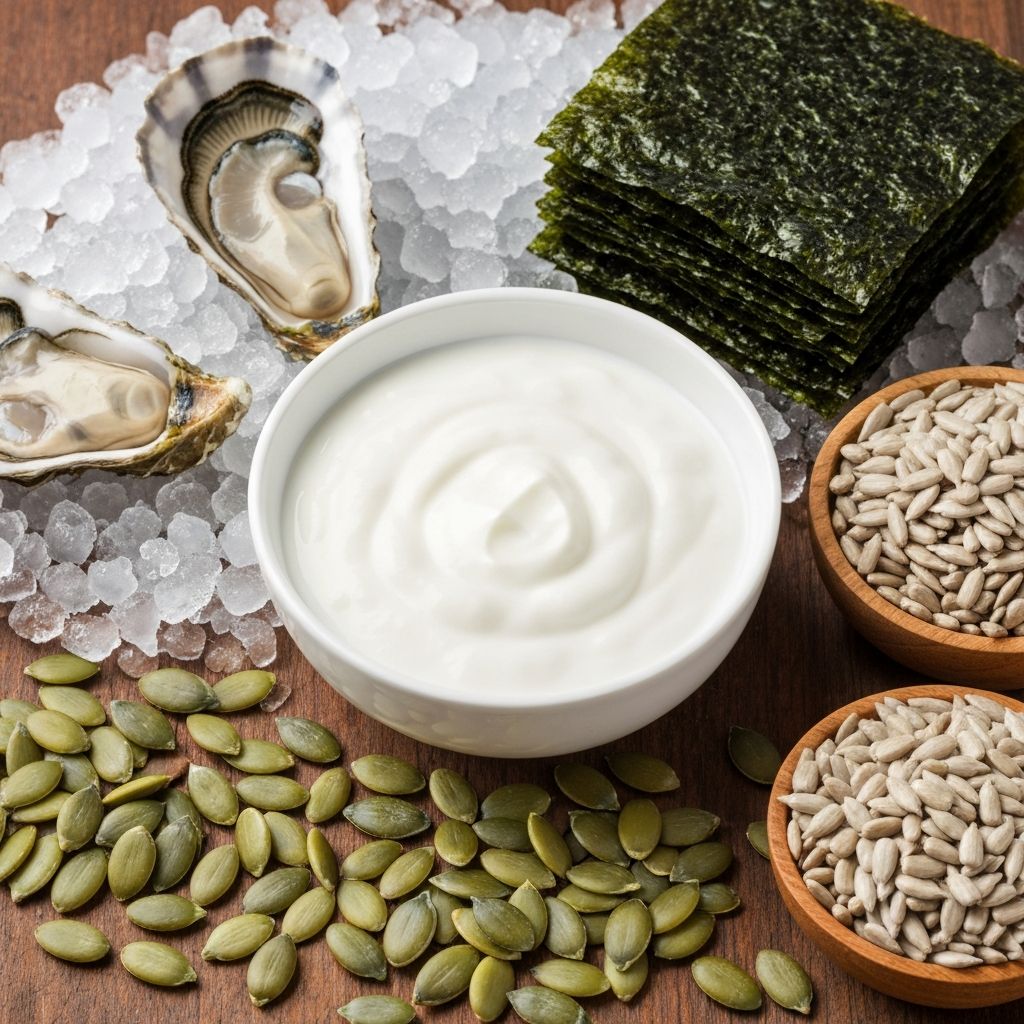
Zinc is required for testosterone synthesis and insulin signaling. Selenium and iodine are essential cofactors in thyroid hormone synthesis and conversion enzymes. Magnesium regulates insulin secretion and modulates sex hormone-binding globulin synthesis. Vitamin D functions as a hormone itself and modulates endocrine receptor expression and function across multiple systems.
Required for testosterone synthesis, insulin signaling, and immune function. Involved in enzyme cofactor activity across multiple endocrine pathways.
Essential cofactor in selenoprotein synthesis, including deiodinase enzymes that convert thyroid hormones and regulate reactive oxygen species.
Critical component of thyroid hormones T3 and T4. Thyroid function depends on adequate iodine availability for synthesis and metabolic activation.
Cofactor in insulin secretion, cortisol metabolism, and sex hormone-binding globulin synthesis. Influences glucose homeostasis and reproductive axis signaling.
How energy balance influences reproductive and stress hormone regulation
Sufficient energy availability maintains normal pulsatility of gonadotropin-releasing hormone (GnRH), supporting reproductive hormone production. Energy restriction activates adaptive responses that suppress thyroid hormone activation and reduce sex hormone production, coordinated through hypothalamic sensing of metabolic fuels and hormonal signals from adipose tissue and the gut.
Chronic energy deficit or nutritional imbalance can increase corticotropin-releasing hormone (CRH) and ACTH, elevating cortisol output. This adaptation conserves energy at the expense of reproductive function and thyroid hormone conversion, illustrating the integrated regulation of endocrine systems by nutritional status.
Observational associations between dietary composition and endocrine function

Cross-sectional and prospective cohort studies have documented associations between Mediterranean dietary patterns—characterized by olive oil, fish, whole grains, legumes, and plant foods—and more favorable sex hormone-binding globulin (SHBG) levels and insulin sensitivity.
Plant-based diets rich in fiber, polyphenols, and micronutrients have shown associations with improved insulin dynamics and reduced inflammatory markers, which influence endocrine signaling.
How meal frequency and timing patterns influence cortisol, insulin, and sex hormones
Controlled feeding studies document changes in insulin sensitivity, cortisol secretion patterns, and reproductive hormone dynamics in response to intermittent fasting protocols. Effects vary by duration, frequency, and individual metabolic characteristics.
Research examining meal frequency and composition shows associations between eating patterns and postprandial glucose and insulin responses, which cascade into effects on hypothalamic-pituitary signaling and metabolic hormone production.
Key findings from cross-sectional and controlled feeding studies
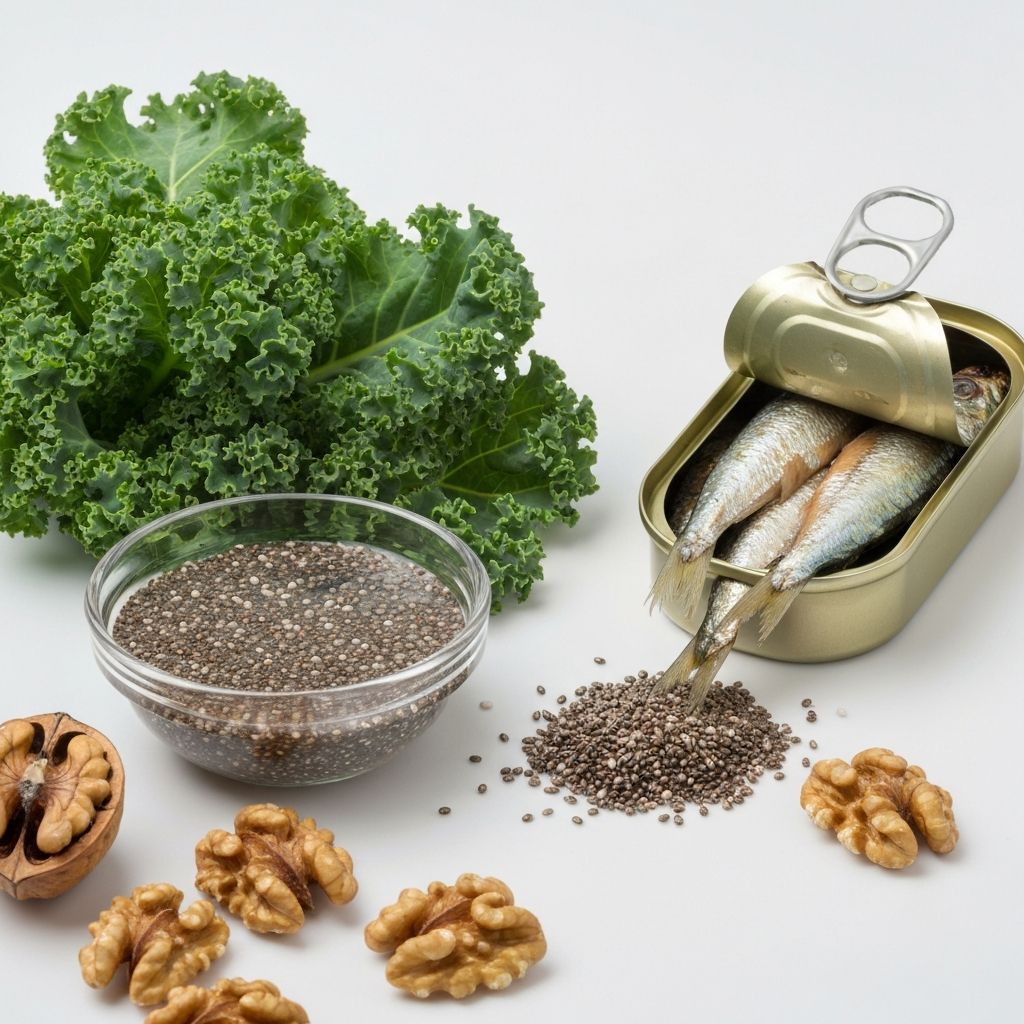
While numerous observational studies document associations between dietary composition and endocrine markers, establishing direct causation remains challenging. Individual variability in hormone response to dietary changes is substantial, reflecting genetic differences, health status, activity level, and psychosocial factors.
Controlled feeding interventions provide mechanistic insight but typically involve small sample sizes and short durations. Applying research findings to individual recommendations requires careful consideration of context and professional guidance.
Explore in-depth discussions of nutritional-endocrine mechanisms
Fats and cholesterol pathways in cortisol, testosterone, and estrogen production
Deiodinase enzyme cofactors and thyroid hormone activation
VDR expression and insulin and sex hormone interaction
Protein provides amino acids essential for synthesizing peptide hormones like insulin, growth hormone, and prolactin. Amino acid availability and balance influence the expression of hormone-producing genes and the efficiency of hormone synthesis across the endocrine system.
Micronutrients serve as cofactors in enzyme reactions throughout hormone synthesis, conversion, and metabolism. Deficiencies in zinc, selenium, iodine, magnesium, or vitamin D can impair these processes and disrupt endocrine signaling. Adequate micronutrient status supports optimal endocrine function.
Yes. Energy deficit triggers adaptive responses that suppress reproductive hormone production and reduce thyroid hormone conversion. These changes are coordinated by hypothalamic sensing of metabolic status and signaling hormones like leptin from adipose tissue, illustrating the tight coupling between nutrition and endocrine function.
Observational studies document associations between plant-rich and Mediterranean-style diets and improved endocrine markers including insulin sensitivity and SHBG levels. However, establishing direct causation remains complex due to the multiple factors influencing hormone production and individual variability in response.
Meal timing and frequency affect postprandial glucose and insulin responses, cortisol secretion patterns, and sex hormone dynamics. Individual responses vary based on genetics, metabolic characteristics, and daily routines, making personalized assessment valuable.
Explore detailed insights on nutrition and endocrine function